Prior to Nixon’s War on Drugs, psychedelic research showed great promise. Recently, there has been a revival in this field, with significant advancements in treating conditions like PTSD, chronic pain, grief, and addiction. Though the psychedelic renaissance is still relatively new (and mostly illegal), a substantial amount of peer-reviewed research is already available. The list below is just the beginning, and we will continue to add to it as more publications emerge.


MAPS – Multidisciplinary Association for Psychedelic Studies
The MAPS organization envisions a world where psychedelics and marijuana are safely and legally available for beneficial uses, and where research is governed by rigorous scientific evaluation of their risks and benefits. They generously share their 35+ years of research and news publicatons.
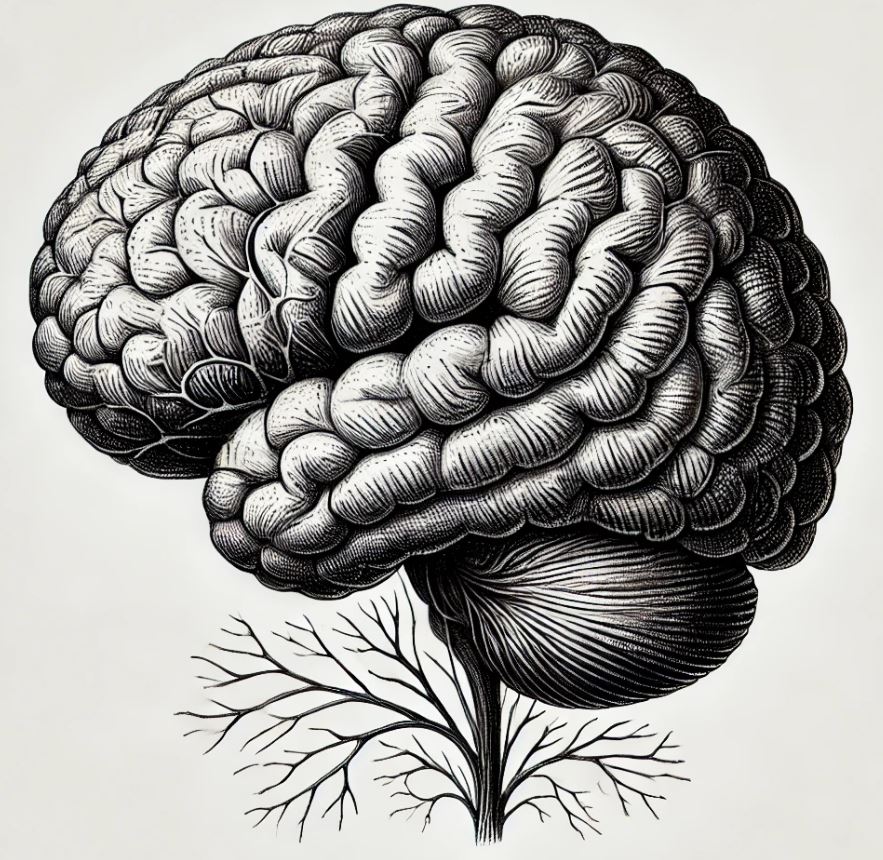
Center For Minds – PSYCHEDELIC-ASSISTED INNOVATION
This is a website I came across during a neuroscience class. In contrast to many of the research studies that demonstrate the value of psychedelics for addressing dysfunction, centerforminds.org focuses on the use of psychedelics for enhancing healthy brain functions.
John Hopkins Psychedelic Research
Backed by $55 million in funding, the Johns Hopkins Center for Psychedelic and Consciousness Research is leading the way in exploring innovative treatments using psilocybin. , They have created a comprehensive list of their publications. Click here for more information on Johns Hopkins Center for Psychedelic and Consciousness Research.

Psychedelics & Pain Database
Research since the 1930s has shown psychedelics to have significant analgesic effects across various compounds and conditions. Access this searchable database of research papers to explore exciting new advancements in pain management from headaches to cancer.

Importance of Integrating Spiritual, Existential, Religious, and Theological Components in Psychedelic-Assisted Therapies
May 31, 2023
Mounting evidence supports the integration of spiritual, existential, religious, and theological elements into psychedelic-assisted therapy, but their incorporation into clinical practice remains insufficient. Including these components can enhance therapeutic outcomes, align treatments with culturally competent and evidence-based standards, and mitigate risks for patients.
 Psychetopia